|
Biomedical Systems & Bioinformatics
Working with partners to identify and address important biomedical problems
By combining PARC's engineering and applied science expertise with biomedical expertise from partner organizations – within multidisciplinary teams in the Scripps-PARC Institute for Advanced Biomedical Sciences – PARC researchers have developed:
- advantaged solutions for cancer and glucose diagnostics; and
- novel, viable instrumentation and information systems for:
Glucose Monitoring
Continuous glucose monitors offer significantly improved glucose management by enabling readings of all glucose-levels. However, current commercial continuous monitors are only approved for short-term use and require daily calibration with standard fingersticks due to infection risk and limited term stability.
 |
|
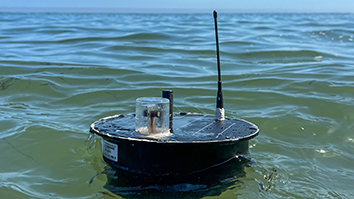
PARC researchers are developing a new technological approach to continuous glucose monitoring built with a passive, optical device that: |
| - |
is minimally invasive; |
| - |
enables more accurate measurements; and |
| - |
operates for longer time frames without replacement. |
Enthalpy Arrays
New drugs are discovered through a complex and expensive process that typically involves: (1) initial screening for reactions between a drug target and a million drug candidates; and (2) validating and characterizing the hits with additional complex chemical assays. These assays typically require chemical labeling steps that are expensive and time consuming to develop.
 |
|
Label-free assays that are less expensive and faster to develop have several constraints – such as speed, sample size, cost, and surface immobilization.
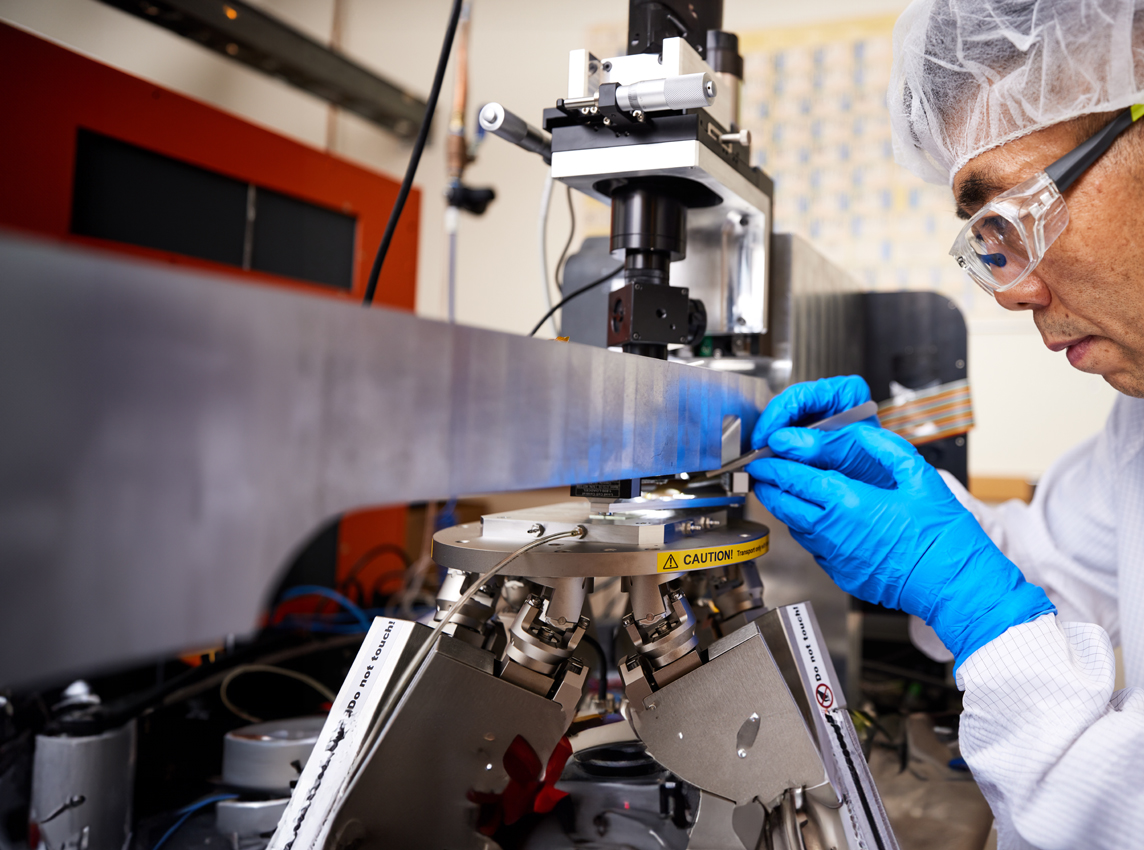
PARC researchers are creating a technology to directly measure molecular interaction without these constraints, eliminating the need to develop a custom assay for each biological system. The goal of this research is to provide a label-free assay system that: |
| - |
scales to parallel operation enabling simultaneous assays for high throughput; |
| - |
substantially reduces the amount of material required to determine the key reaction parameters; and |
| - |
enables measurements in solution without the constraints of surface binding. |
Working with our partners, PARC is applying this technology to enzymatic assays and a new approach to drug discovery, fragment-based screening.
Mass Spectra Analysis
Many major breakthroughs in science and medicine have resulted from biologists' understanding of life at the molecular level. Over the past few years, the mass spectrometer – an extremely sensitive way to detect and quantify proteins and other complex molecules – has become the primary tool for studying biological molecules.
In order to make mass spectrometry an even more powerful tool for solving biological problems, PARC is collaborating with leading scientists in the field to develop sophisticated statistical methods and algorithms that automate analyses of mass spectra.
Two applications include efficiently identifying proteins and studying glycomics.
Rare Cell Detection (FAST Cytometer)
The ability to detect the presence of non-blood cells circulating in peripheral blood at very low concentrations can provide significant medical insight to a number of conditions – such as cancer, pregnancy, infection, and blood vessel constriction. For example: detecting circulating tumor cells is now approved by the FDA for managing metastatic cancer patients.
 |
|
However, current detection approaches like immunomagnetic enrichment are limited in their sensitivity, ability to preserve cell morphology, and breadth of labeling. To overcome these limitations, PARC researchers have developed a rare cell-detection technology that: |
| - |
very quickly scans the large numbers of cells required to detect rare cells — without losing its sensitivity; |
| - |
preserves cell morphology;
and |
| - |
can be used with multiple markers. |
With our partners, PARC researchers are currently using this technology to study circulating tumor cells.
|